
Joy, Culture, and Family Traditions
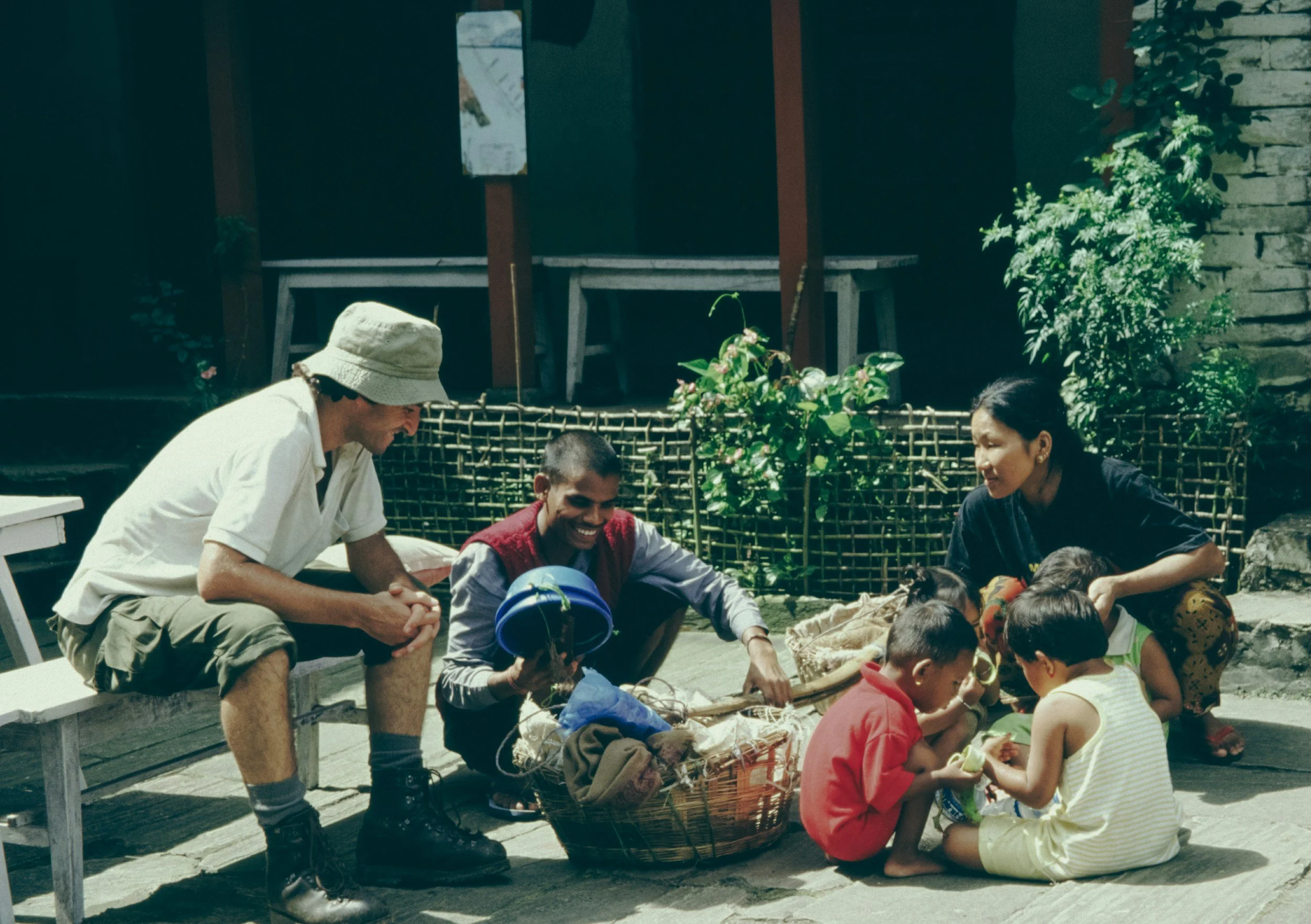
Joy does not only live in spontaneous moments of laughter. It also lives in the traditions families create and pass down through generations.
Across cultures and communities, joy often appears through shared rituals. Families gather around meals, tell stories, celebrate holidays, dance, sing, and play games that have been carried forward over time. These moments do more than create happy memories. They give children a sense of belonging.
Joy as Cultural Memory
Many families carry joyful practices that have deep cultural meaning. A song sung in childhood. A favorite meal cooked during gatherings. A holiday tradition that brings relatives together year after year. These experiences connect children to something larger than the present moment.
Through these rituals, children begin to understand the values and stories that shape their family. They learn the rhythms of celebration, connection, and community.
Even simple traditions can become meaningful anchors over time. A weekly movie night, cooking together on weekends, storytelling before bed, or a walk through the neighborhood after dinner can become rituals that signal safety and connection.
Passing Joy Across Generations
When parents share traditions with their children, they are passing down more than activities. They are sharing parts of their own history.
A parent might remember a game they played as a child and teach it to their children. A grandparent may share stories from their childhood. Families may gather around food that carries memories of home, migration, or heritage.
These experiences help children feel connected not only to their immediate family, but also to the generations that came before them.
In this way, joy becomes a thread that connects past, present, and future.
Creating New Traditions
Not all traditions need to come from the past. Families also have the opportunity to create new ones together.
Some traditions grow naturally from everyday life. A special breakfast on weekends. A family game night. A tradition of reading together before bed. A walk to the park every Sunday afternoon.
Over time, these repeated moments become something children look forward to. They create a rhythm in family life that helps children feel secure and connected.
Think back to your own childhood. What traditions or joyful rituals do you remember most clearly? Are there any you would like to share or recreate with your child?
Joy shared through tradition reminds children that they are part of a story larger than themselves. It tells them that they belong to a family, a culture, and a history that continues to grow with each generation.
