
An Invitation to Play: A Simple Practice for This Week
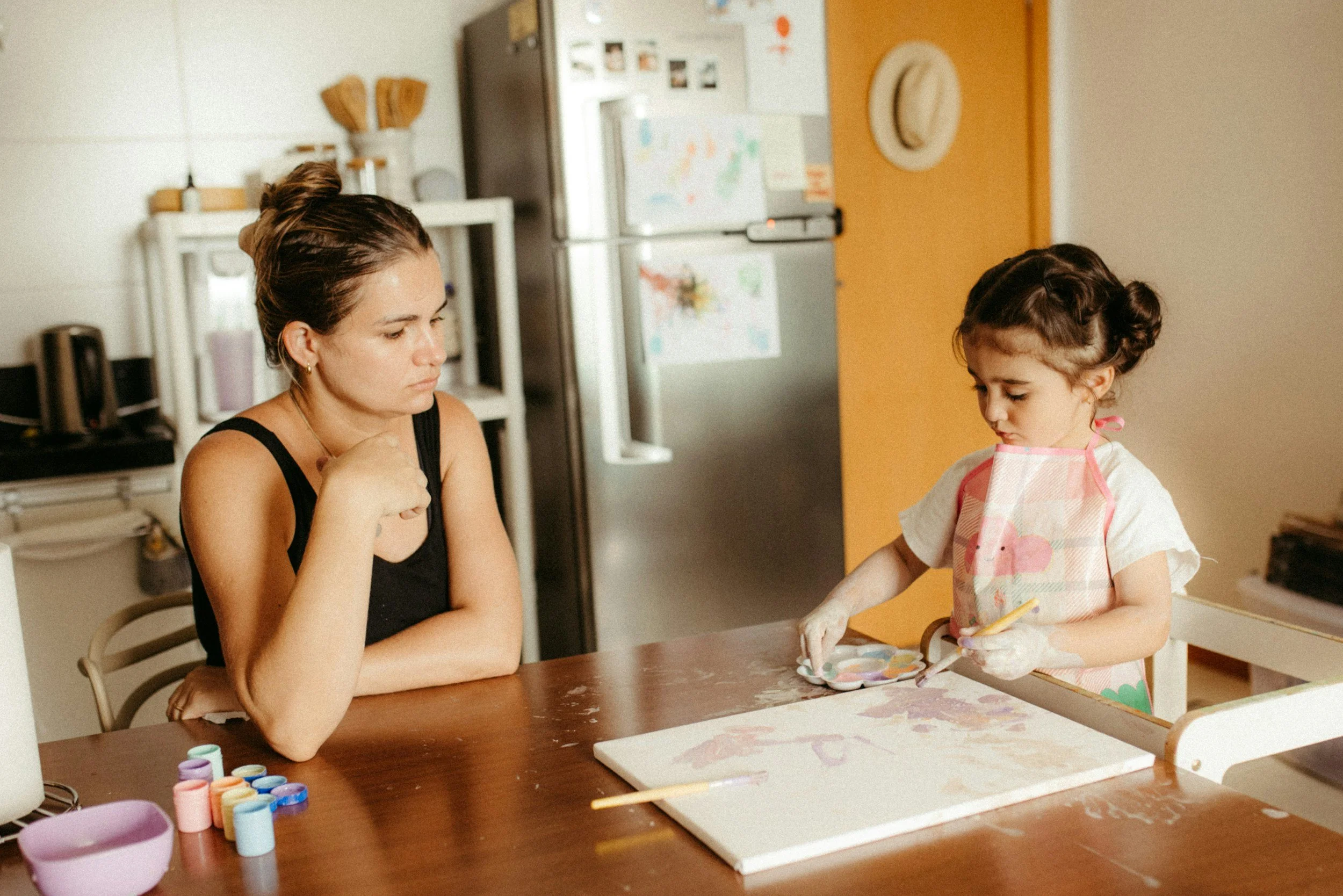
Throughout this series we have been exploring the role of joy and play in the parent–child relationship. Play is not simply entertainment for children. It is one of the primary ways they express themselves, explore emotions, and connect with the people around them.
For many families, the challenge is not understanding that play is important. The challenge is finding space for it within the rhythm of daily life.
A Simple Practice
Choose a short period of time during the week to play with your child without distraction. This does not need to be long. Even five to ten minutes of focused attention can feel meaningful to a child.
During this time, allow your child to lead the activity. They may choose toys, draw pictures, build something, tell a story, or invent a game. Your role is simply to follow their lead and stay present with them in the moment.
Notice what your child creates. Listen to their ideas. Allow the play to unfold without needing to correct or guide it.
What You Might Notice
When parents slow down and enter their child’s world of play, something important begins to happen. Children often become more expressive, more relaxed, and more engaged. They experience their caregiver’s attention in a way that feels direct and meaningful.
Parents sometimes notice something in themselves as well. The pace of the moment changes. The pressure to manage or correct behavior softens. Curiosity begins to replace urgency.
These small moments of shared play can become powerful experiences of connection.
Reflecting After Play
After the playtime ends, take a moment to reflect on the experience.
You might gently ask yourself:
- What did I notice about my child during play?
- What emotions or reactions did I notice in myself?
- How did the interaction feel between us?
There is no need to evaluate the moment as successful or unsuccessful. The purpose of this practice is simply to notice what emerges when we create space for connection through play.
Over time, these moments accumulate. What begins as a small weekly practice can slowly become a familiar rhythm within the relationship — a space where curiosity, imagination, and connection have room to grow.
