Play as the First Language of Children
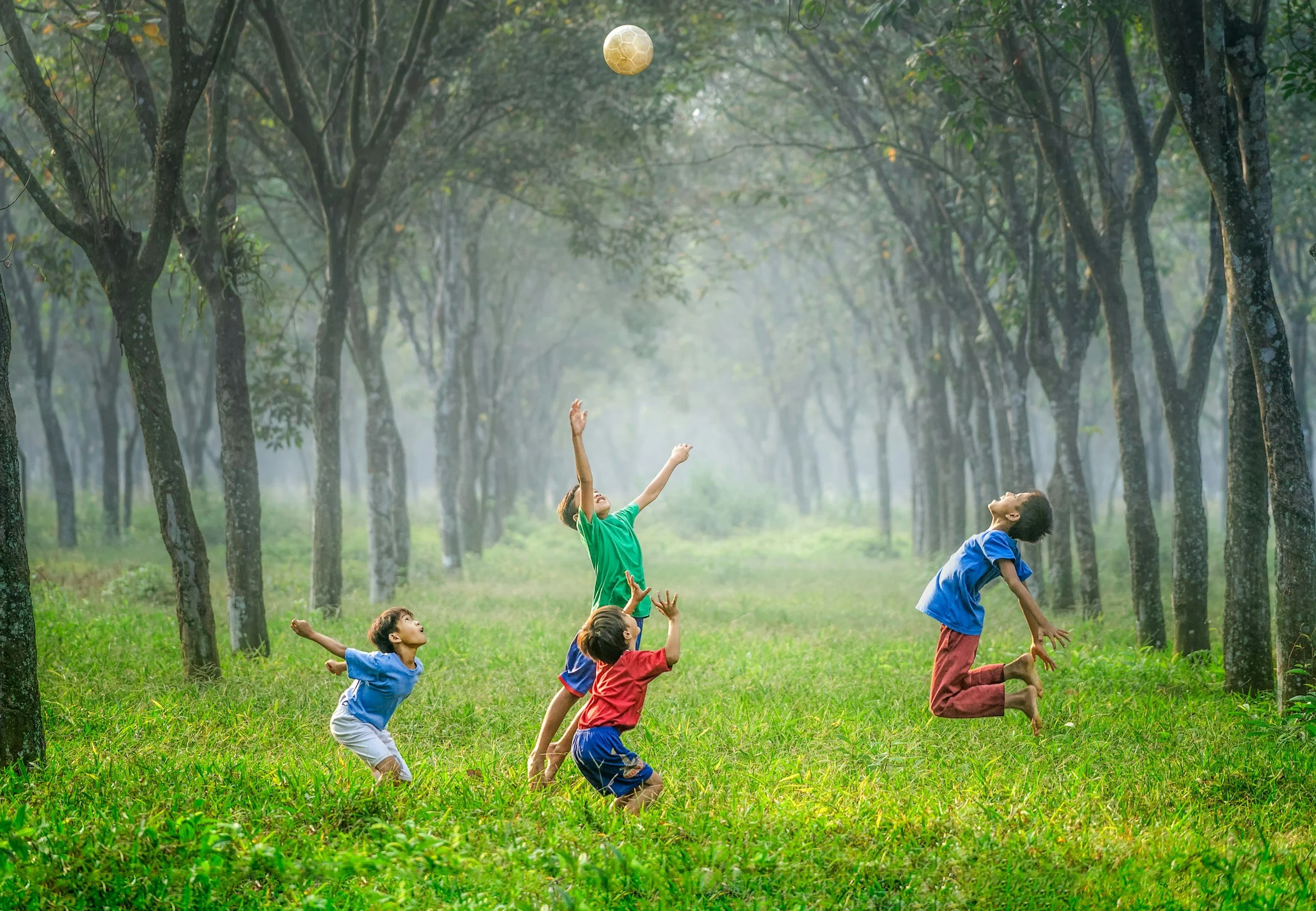
Adults often rely on words to express what they are feeling. We explain our thoughts, describe our frustrations, and talk through our experiences.
Children experience the world differently.
Young children do not yet have the vocabulary or neurological development to explain everything they are feeling. The frontal cortex — the part of the brain responsible for reasoning, organizing thoughts, and controlling impulses — is still developing. Because of this, many children communicate their inner experiences through play rather than language.
How Children Communicate Through Play
Through toys, storytelling, and imagination, children explore relationships, emotions, and experiences that they may not yet fully understand. A child may act out a difficult moment with dolls or action figures. Another might repeat a story again and again. Others use imaginative play to explore ideas about power, fear, safety, or connection.
For adults, this type of play can sometimes feel confusing or even uncomfortable. The stories children create may not always follow logic. Characters might fly, animals may talk, and toys may act out situations that feel dramatic or unexpected.
Yet within these moments, children are often processing something meaningful. Play gives them a way to organize experiences and emotions in a form that makes sense to them.
Why Play Matters for Emotional Development
For children, play functions in many ways like journaling, storytelling, or conversation does for adults. It allows them to experiment with ideas, explore feelings, and practice navigating the social world.
Through play, children rehearse relationships. They explore themes of cooperation, conflict, problem-solving, and care. They also practice expressing emotions that may be difficult to explain with words alone.
When adults begin to recognize play as a form of communication, these moments start to look different. Rather than viewing play as simple entertainment, it becomes an opportunity to observe and understand the child’s inner world.
Entering the Child’s World
When parents join their child in play, they are doing more than participating in an activity. They are stepping into the child’s language.
This does not require directing the play or teaching a lesson. Instead, it often means observing, following the child’s lead, and allowing the imagination to unfold naturally.
In these moments, children experience something powerful: a caregiver who is willing to meet them in their world.
And within that shared space of imagination and curiosity, connection begins to grow.
